Make the Most of Your Entryway
The entryway is the first part of your home that people see, but it is also one of the easiest places to overlook. Shoes, bags, coats, keys and mail can quickly gather by the door, creating a cluttered look and making busy mornings more difficult.
The good news is that you do not need a large space, expensive furniture or a major renovation to create a more organised entryway. A few practical changes can help every item find a home and make the area easier to use.
Start by looking at how your entryway works each day. Notice what tends to collect there, what you reach for most often and which items are usually left on the floor or nearby surfaces. This will help you choose storage that suits your household rather than simply adding more furniture.
Clear Out the Clutter First
Before buying storage products, remove everything from the entryway. Sort each item into four groups:
– Keep in the entryway
– Move to another room
– Donate or give away
– Recycle or discard
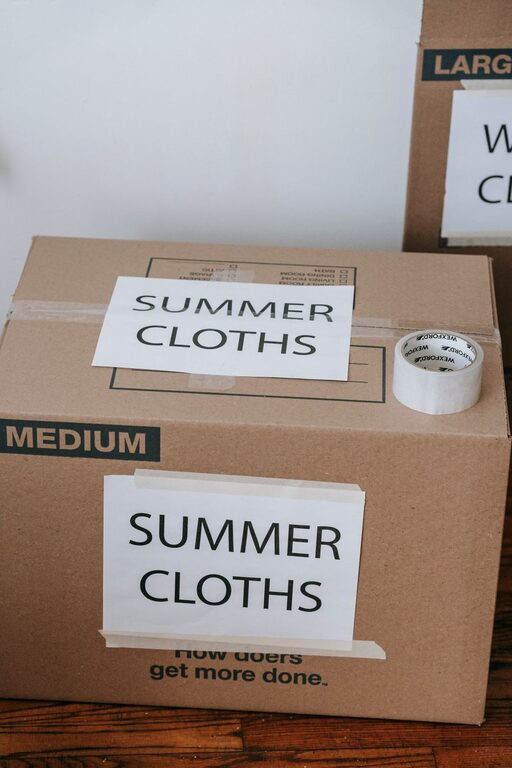
Be selective about what deserves space near the door. Everyday items such as a current pair of shoes, a coat and a bag may belong there. Seasonal clothing, sports equipment and rarely used accessories may be better stored elsewhere.
Once the area is clear, clean the floor, wipe down surfaces and remove dust from skirting boards, hooks and shelves. Starting with a clean space makes it easier to see what storage is actually needed.
Give Everyday Items a Home
An organised entryway works best when frequently used items have obvious places to go. If putting something away takes too many steps, it is unlikely to stay tidy.
Consider creating a simple home for:
– Keys
– Wallets and sunglasses
– Shoes
– Coats and jackets
– School or work bags
– Hats and umbrellas
– Reusable shopping bags
– Mail and small parcels
Keep the items you use most often within easy reach. Less frequently used belongings can go on a higher shelf, inside a cupboard or in another part of the home.
A small tray on a console table can hold keys, sunglasses and other pocket items. For a more streamlined look, use a lidded box or shallow drawer instead.
Use Wall Space
When floor space is limited, look upwards. Wall-mounted storage can keep belongings off the floor while making good use of an otherwise empty area.
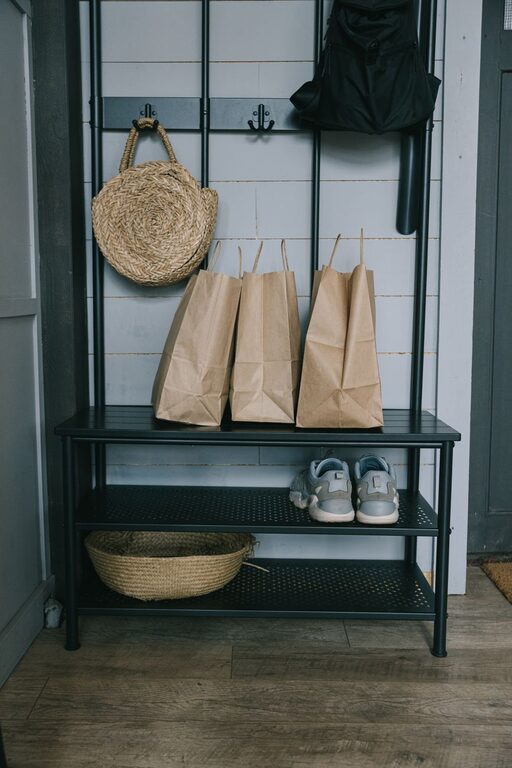
Hooks are one of the simplest entryway solutions. Install several at a comfortable height for adults, and consider adding lower hooks for children. Use individual hooks rather than one long rail if you want each person to have a designated place.
A narrow shelf can provide room for small baskets, while a pegboard can hold bags, hats and lightweight accessories. If you rent your home, removable hooks or freestanding storage may be useful alternatives, subject to the wall surface and product instructions.
Avoid filling every available section of wall. Leaving some open space will help the entryway feel calm rather than crowded.
Create a Shoe System
Shoes are often the main source of entryway mess. A clear system can stop them from spreading across the floor.
Choose a shoe rack, bench with storage, slim cupboard or a row of baskets, depending on the size of your space. Keep only the shoes that are worn regularly near the door. Store special occasion shoes and seasonal pairs elsewhere.
A useful rule is to limit the entryway to one or two everyday pairs per person. If several pairs are kept there, arrange them neatly and remove any that are no longer in regular use.
A washable mat can help protect the floor from dirt and moisture. Choose one that suits the size of the doorway and clean it regularly. In wet weather, allow damp footwear to dry properly before placing it in enclosed storage.
Add a Useful Seat
A seat can make the entryway more comfortable and practical, particularly when people need to put on or remove shoes. A narrow bench can provide seating without taking up too much space.
Look for a bench with a shelf underneath, built-in drawers or room for baskets. If you already have a seat, slide labelled baskets beneath it for shoes, hats or bags.
In a very small entryway, a fold-down wall seat or a compact stool may work better than a full-sized bench. Make sure furniture does not block the doorway or create a trip hazard.
Set Up a Mail Station
Mail and paperwork can quickly create visual clutter. A simple sorting point near the entrance can prevent letters from ending up on the kitchen bench or dining table.
Use a wall-mounted organiser, letter tray or small basket. Sort mail as soon as it enters the home:
- Recycle unwanted envelopes and flyers.
- Place important letters in a designated tray.
- Put items that need action in a visible but tidy spot.
- File or deal with paperwork regularly.
Try not to let the mail station become long-term storage. Set aside a few minutes each week to clear it.
Organise by Person
If several people share the home, assigning each person a section can make tidying easier. This might be a hook, basket, drawer or shelf for each member of the household.
Labelled storage is especially helpful for children. It gives them a clear place for their shoes, bags and jackets, and makes it easier for them to take part in daily routines.
Keep labels simple and easy to read. Use names, pictures or both, depending on the age of the person using the space.
Make Small Spaces Work Harder
A narrow entryway does not have to be difficult to organise. Choose furniture with a small footprint and avoid deep cabinets that make the passage feel tight.
Helpful options include:
– A slim console table
– A vertical shoe rack
– Wall hooks
– A mirror with a small shelf
– Baskets stored under a bench
– An umbrella stand
– A narrow cupboard with doors
A mirror can make the entryway feel brighter and give you a useful place to check your appearance before leaving. Choose one with a simple frame and avoid adding too many decorative items around it.
Keep the System Easy to Maintain
The best organising system is one that fits naturally into your routine. Create a few simple habits to keep the entryway under control.
At the end of each day:
– Return shoes to their storage area.
– Hang coats and bags on their hooks.
– Put keys in the tray or drawer.
– Remove rubbish and unwanted mail.
– Move items that belong in other rooms.
Once a week, sweep or vacuum the floor, wipe surfaces and check whether anything has started to collect. A quick reset is usually easier than waiting until the space becomes overwhelming.
Review the entryway at the change of each season. Store heavy coats, beach items, sports gear or winter footwear when they are no longer needed. This keeps everyday storage manageable.
Add Personal Style Carefully
An organised entryway can still reflect your style. Add one or two decorative touches, such as a plant, artwork, a textured basket or a small bowl. Choose pieces that are durable and do not interfere with the flow of the space.
Keep decorations to a minimum so the entryway remains practical. When every item has a purpose and a place, the area will feel more welcoming, easier to clean and simpler to use every day.
About the Author