
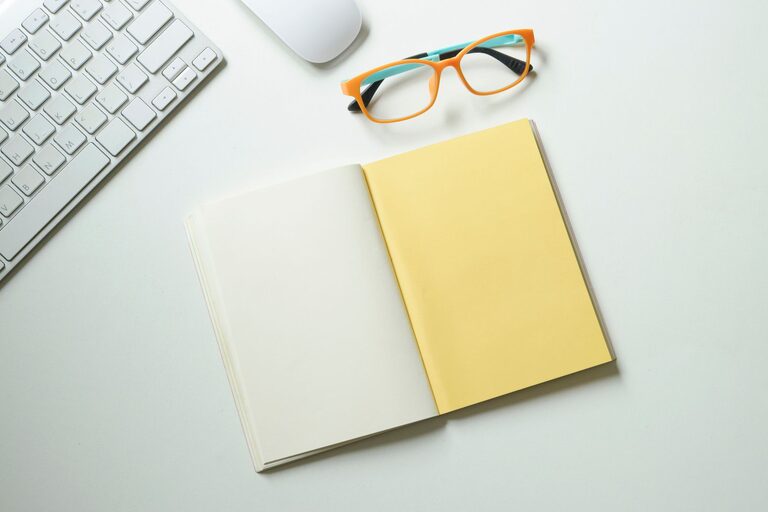
A notebook can be a simple place to capture ideas, plan your day, record reminders, or work through a problem. Yet many notebooks end up sitting untouched in a drawer. Often, the issue is not a lack of motivation. The notebook simply does not suit the way you think, write, or organise your life.
Choosing the right notebook is less about finding the most attractive cover and more about matching the notebook to its purpose. Before buying one, consider how you will use it, where you will carry it, and what kind of writing experience you prefer.
Start with the notebook’s purpose
The best notebook for daily planning may not be the best choice for sketching, study notes, or creative writing. Begin by deciding what you want the notebook to do.
Common uses include:
– Daily to-do lists
– Meeting or class notes
– Journalling
– Project planning
– Creative writing
– Drawing and sketching
– Recording recipes or ideas
– Keeping track of reading, exercise, or hobbies
You can use one notebook for several purposes, but having a clear main use makes it easier to choose the right size, paper, and layout.
For example, a notebook for quick reminders should be easy to open and carry. A notebook for longer writing may benefit from thicker paper and more space. If you want to combine planning and journalling, a flexible dotted or plain layout could be more suitable than ruled pages.
Choose a size that fits your routine
Notebook size has a major effect on whether you use it regularly. A notebook that is too large may stay at home, while one that is too small may feel frustrating.
Pocket notebooks
Pocket notebooks are easy to carry in a jacket pocket, small bag, or backpack. They are useful for short lists, quick ideas, and notes on the go. Their limited page space can also encourage you to be concise.
Choose a pocket notebook if you:
– Often need to write while travelling
– Prefer short notes
– Want something lightweight
– Like carrying a notebook everywhere
Medium notebooks
Medium-sized notebooks offer a useful balance between portability and writing space. They are often large enough for planning, journalling, and general notes without becoming too heavy.
This size may suit you if you want one notebook for everyday use, especially at work, school, or home.
Large notebooks
Large notebooks are better suited to detailed notes, drawing, project work, or long-form writing. They provide room for diagrams, wide lists, and multiple sections on one page.
However, consider where you will use the notebook. A large notebook can be uncomfortable to carry and may be left behind if it does not fit easily in your usual bag.
Select a page layout
The page layout should support the way you write. If the lines or markings feel distracting, you may be less likely to use the notebook.
Ruled pages
Ruled pages are a reliable choice for writing notes, lists, and journal entries. Look at the line spacing before buying, as narrow lines can feel cramped and wide lines may use pages quickly.
Plain pages
Plain pages provide the most flexibility. They work well for sketches, diagrams, free-form notes, and writing that does not follow a fixed structure. The lack of guidance can be liberating, although some people find it harder to keep writing neat.
Dotted pages
Dotted pages offer light guidance without the strong visual presence of lines or grids. They are popular for combining writing, tables, calendars, and simple drawings.
Grid pages
Grid pages are useful for charts, calculations, diagrams, and careful layouts. They can also make handwritten notes look tidy. If the grid is too dark or closely spaced, though, it may compete with your writing.
Specialised layouts
Some notebooks include dated pages, weekly spreads, habit trackers, or dedicated sections. These features can be useful if they match your routine. Avoid paying for layouts you are unlikely to use, as unused sections can make the notebook feel restrictive.
Pay attention to paper quality
Paper affects how enjoyable a notebook is to use. Consider the type of pen or pencil you normally use and how much ink it puts on the page.
If you use ballpoint pens or pencils, standard paper may be sufficient. If you prefer fountain pens, brush pens, or wet ink, look for thicker paper that is less likely to show ink on the reverse side.
Important paper features include:
– Thickness
– Smoothness
– Opacity
– Texture
– How well it handles your preferred pen
Paper that feels pleasant under your pen can make writing more inviting. If possible, test a sample page before buying. This is especially helpful if you are particular about pen feedback or dislike ink showing through.
Consider the binding
A notebook’s binding affects how easily it opens and how comfortable it is to write in.
Spiral binding
Spiral notebooks usually open flat, making them practical for writing at a desk or taking notes quickly. They may also allow pages to fold back, reducing the amount of space needed.
Thread sewn binding
Sewn notebooks often feel durable and open more naturally than some glued notebooks. They are a good option for people who want a traditional writing experience.
Glued binding
Glued notebooks can be slim and neat, but they may not lie flat. Check the binding carefully if you plan to write across both pages of an open spread.
Refillable covers
Refillable notebooks can be useful if you want to keep the cover while changing the paper inside. They may suit people who like organising notes into sections or reusing a favourite cover.
Choose a cover you enjoy using
Appearance is not the most important factor, but it still matters. A notebook that you like looking at may be more inviting to pick up.
Think about:
– Whether the cover is hard or soft
– How well it will handle daily use
– Whether it fits your personal style
– If it is easy to identify in a bag
– Whether it has useful features such as an elastic closure or bookmark
A hard cover offers protection and a firm writing surface. A soft cover is usually lighter and more flexible. If you often write away from a desk, a firm cover may be helpful.
Match the notebook to where you will use it
Think about your usual writing location. A notebook kept beside your bed may need to be compact and easy to open in low light. One used at a desk can be larger and more structured. A notebook carried outdoors should have a durable cover and pages that can handle regular handling.
You may also benefit from keeping different notebooks in different places:
– A small notebook near the front door for quick reminders
– A work notebook in your bag
– A larger notebook at home for longer writing
– A pocket notebook for ideas while travelling
This approach can be more practical than expecting one notebook to meet every need.
Avoid buying more features than you need
Extra features can be useful, but they can also create pressure. Numbered pages, indexes, trackers, stickers, and complex planning systems are not essential for everyone.
Choose features that solve a real problem. If you want to find notes quickly, numbered pages may help. If you often lose your place, a bookmark could be valuable. If you prefer writing without rules, a highly structured planner may get in the way.
The goal is not to create the perfect system. It is to make writing easy enough that you return to it.
Make the first page easy to use
Once you have chosen a notebook, avoid waiting for the perfect first entry. Use the first page for something simple, such as:
– The date you started using it
– A list of current priorities
– A page of ideas
– A short introduction to its purpose
– Notes about how you would like to use it
You can also leave the first page blank if that feels more comfortable. A notebook does not need to be perfect, consistent, or attractive to be useful.
The best notebook is the one you reach for
A notebook you will actually use should fit your habits, your writing tools, and your everyday environment. Start with its purpose, then consider size, layout, paper, binding, and durability.
Most importantly, choose something that feels convenient rather than demanding. The right notebook makes it easier to capture thoughts, organise tasks, and return to your ideas whenever you need them.
About the Author