
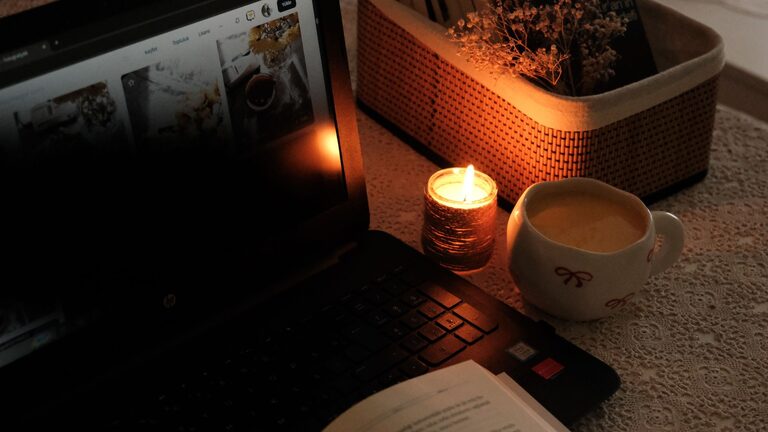
A screen light evening is a simple way to create more space for rest, conversation and enjoyable offline activities. Rather than removing every device from your night, the aim is to use screens with purpose and make room for other things too.
With a little planning, you can build an evening that feels relaxing instead of restrictive. The best plan is practical, flexible and suited to your household, schedule and energy levels.
What is a screen light evening?
A screen light evening involves reducing non-essential screen use for part or all of the evening. This may include scrolling through social media, watching online videos, browsing websites or checking notifications.
It does not need to be a strict digital break. You might still use your phone for important messages, music, recipes or directions. The focus is on making deliberate choices, rather than reaching for a device automatically.
A screen light evening can be:
– One hour without entertainment screens
– A device free dinner
– An evening without social media
– A set period with your phone on silent
– A weekly night focused on offline activities
Start with a manageable goal. A short, enjoyable break is more likely to become a regular habit than an ambitious plan that feels difficult to maintain.
Choose the right evening
Look at your usual week and choose an evening that gives you the best chance of success. Avoid starting on a night when you have a major deadline, a long commute or several household tasks to complete.
A suitable evening might be:
– A quieter weekday
– A night when you usually spend a lot of time scrolling
– An evening when the whole household is home
– A weekend night with fewer commitments
– A regular night that can become part of your routine
You can also choose a time rather than a whole evening. For example, you might keep screens to a minimum from 7 pm until bedtime. This makes the idea easier to fit around work, study and family responsibilities.
Make a simple plan before the evening
A little preparation helps remove the question of what to do next. Write down two or three activities you would genuinely enjoy, rather than creating a long list of tasks.
Consider including a mix of activities:
– Something relaxing
– Something social
– Something creative
– Something useful
– Something that helps prepare for tomorrow
For example, your plan could include cooking a simple meal, taking a short walk, reading a few chapters of a book and preparing clothes for the next day. You do not need to complete every activity. The list is there to provide options.
It can also help to tell other people about your plan. If you live with others, agree on whether the evening will be screen free for everyone or whether each person will choose their own approach.
Set up your space
Your surroundings can make screen light choices easier. Put devices somewhere less visible and make your preferred activities convenient.
Try these small changes:
– Charge your phone away from the main seating area
– Keep books, puzzles or craft supplies within reach
– Place a notebook and pen on the table
– Prepare ingredients before cooking
– Turn off non-essential notifications
– Use a lamp or softer lighting to make the room feel inviting
– Keep the television remote out of immediate reach
You do not need to change your entire home. One comfortable area with a few offline options may be enough.
If you need your phone for practical reasons, adjust it rather than hiding it completely. Activate a focus setting, silence non-essential alerts or place it face down while you complete another activity.
Plan an enjoyable meal
Food can become the centre of a screen light evening. Instead of eating while watching something, prepare a meal that encourages you to slow down and pay attention.
This could be:
– A favourite home cooked dish
– A meal that involves several people
– A simple soup, salad or pasta dish
– A picnic-style meal on the floor or outdoors
– A dessert or snack that you make from scratch
Keep the meal realistic. A screen light evening should not turn into a demanding cooking project unless that is something you enjoy. Even setting the table properly and eating without devices can make an ordinary meal feel different.
Use the time for conversation if you are eating with others. You could ask each person about a highlight from the day, share plans for the weekend or discuss a book, film or place you would like to visit.
Choose offline activities
The best activities are those that hold your attention without feeling like another obligation. Keep a few different options available so you can choose based on your mood.
Relaxing activities
If you feel tired, choose something gentle:
– Read a novel, magazine or collection of essays
– Listen to music or radio
– Take a warm shower or bath
– Do a simple jigsaw puzzle
– Sit outside and notice the evening around you
– Write a few thoughts in a journal
Creative activities
Creative tasks can make the evening feel purposeful without needing a perfect result:
– Draw, paint or colour
– Try a small craft project
– Bake something simple
– Rearrange a shelf or display
– Write a short story or poem
– Practise a musical instrument
Social activities
If you want company, consider:
– Playing a board game or card game
– Calling someone using a voice call
– Sharing a meal with friends or family
– Going for a walk together
– Starting a book discussion
– Working on a shared household project
The activity does not need to be impressive. Its value comes from being present and involved.
Have a plan for tempting screens
Most screen light evenings include a moment when you want to check your phone or turn on the television. Expect this rather than treating it as a failure.
When the urge appears, pause and ask what you are looking for. You might be bored, tired, curious or in need of a break. Choose an alternative that meets the same need where possible.
For example:
– If you want entertainment, read or listen to music
– If you want connection, call someone
– If you feel restless, take a short walk
– If you need a break, make a drink and sit somewhere comfortable
– If you are avoiding a task, choose one small step and finish it
You can also set clear exceptions. Important messages, travel information and urgent household matters may require a device. A flexible plan is more useful than an all-or-nothing rule.
End the evening with a gentle routine
Use the final part of the evening to prepare for tomorrow. This can reduce the need to make decisions later.
Your closing routine might include:
– Packing a bag
– Preparing breakfast items
– Writing a short to-do list
– Tidying one small area
– Choosing clothes for the next day
– Reading for a few minutes
– Setting an alarm using a clock or phone
Keep this routine brief. The aim is to finish the evening feeling organised, not to fill every minute with chores.
Review and adjust your plan
After trying a screen light evening, take a moment to consider what worked. You might ask:
– Which activity did I enjoy most?
– When was it hardest to avoid unnecessary screen use?
– Did the planned length feel realistic?
– Would a different evening work better?
– What could I prepare in advance next time?
Use your answers to make the next attempt easier. Perhaps you need more activities, a shorter screen break or clearer boundaries around notifications. You may discover that a regular one-hour break suits you better than a full evening.
The goal is not to create a perfect routine. It is to make more room for activities and connections that you value. Start small, keep the plan enjoyable and let it develop naturally over time.
About the Author